
Locksmith for Retail Store in Quail Valley: A Guide
By Julian's Locksmith, , 9 min read
A step-by-step troubleshooting guide for Quail Valley retail store owners dealing with sticky locks, misaligned doors, or lockouts before closing time.
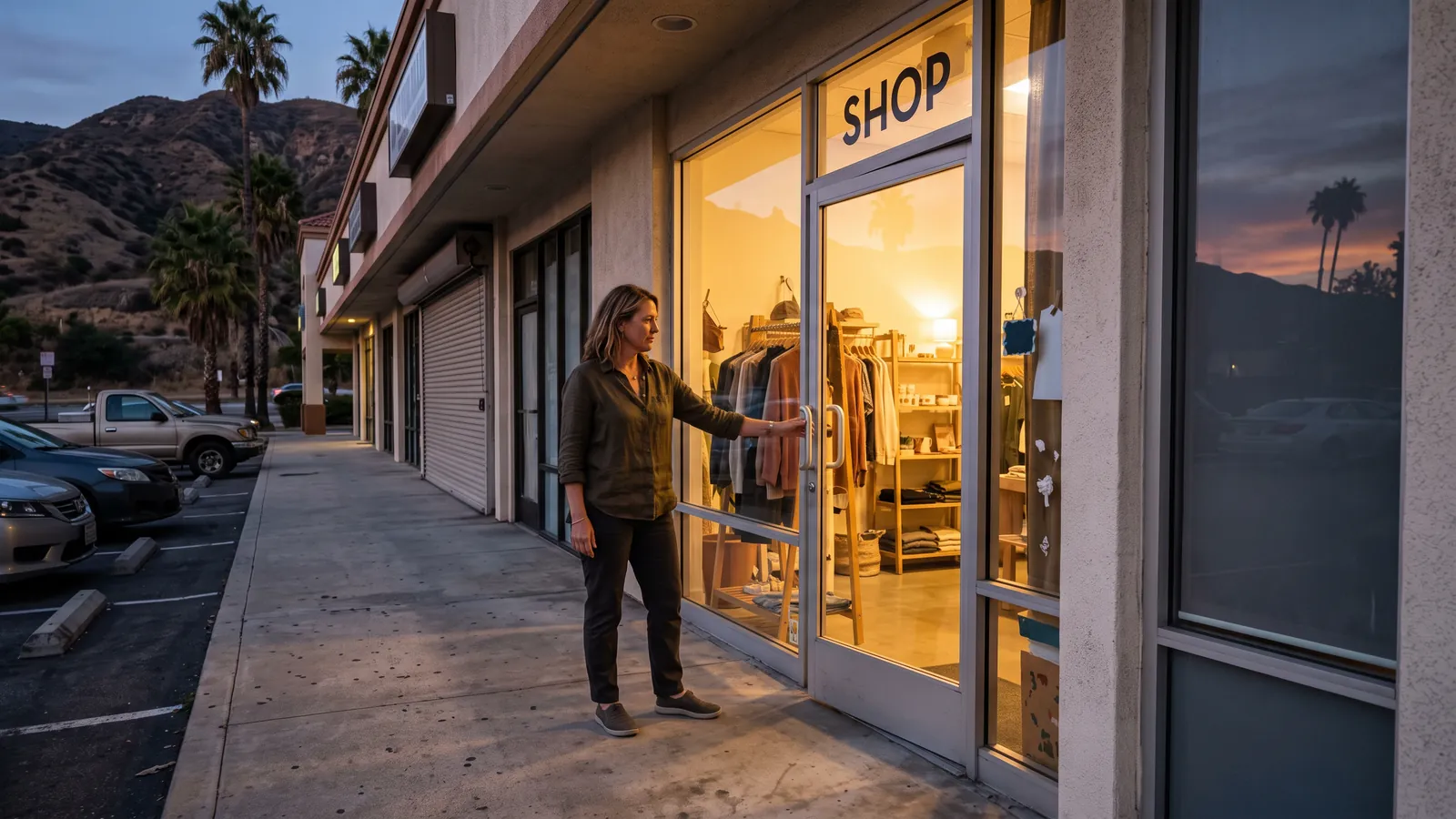
If your retail store's lock sticks, won't turn, or the door won't latch, start with the simple mechanical checks before assuming you need a locksmith: clean out the cylinder, check the door alignment, and make sure nothing is binding against the frame. Most lockouts and stuck locks in Quail Valley storefronts trace back to dust, heat-swollen frames, or worn-out pins rather than a failed lock body. This guide walks through what to try first, and where the line sits between a DIY fix and calling a licensed locksmith for retail store hardware.
Start With the Key, Not the Lock
Before you assume the lock itself has failed, look at the key. A worn or bent key is one of the most common reasons a retail store deadbolt suddenly becomes hard to turn.
- Inspect the key under good light for visible wear, bends, or rounded edges.
- Try a spare key if you have one. If the spare works smoothly and the primary doesn't, the key is the problem, not the lock.
- Avoid forcing a key that feels like it's catching partway in. Forcing it can snap the key off inside the cylinder, turning a simple fix into a more involved one.
If you run a store with several employees who each carry a key, it's worth keeping track of how many keys are in circulation. Keys get copied informally over time, and a key that's been duplicated from a duplicate often fits loosely enough to cause exactly this kind of hesitation.
Clean and Lubricate the Cylinder
Dust and grit are a real issue for storefronts in this part of Riverside County, especially during fall when Santa Ana wind events kick up fine dust that settles into door hardware. If the key goes in but turns stiffly or not at all, the cylinder may just need attention.
- Use a can of compressed air to blow out loose debris from the keyway.
- Apply a small amount of dry graphite or a lock-specific lubricant (not household oil, which attracts more dust and gums up pins over time).
- Insert the key fully and work it gently in and out several times to distribute the lubricant across the pins.
- Try the key again with light, even pressure.
If this resolves the stiffness, make a habit of doing it seasonally. Storefronts that face parking lots or open commercial corridors tend to collect more airborne dust, and a few minutes of maintenance before wind season can prevent a lockout during business hours.
Check Door Alignment and Weather Swelling
A lock that works fine on its own but won't engage once the door is closed usually points to an alignment problem, not a lock problem. This is common in older storefront frames and in buildings with glass doors set into metal frames.
Things to look for:
- The deadbolt doesn't line up with the strike plate hole when the door is closed.
- The door drags on the threshold or frame, suggesting the hinges have shifted or the frame has settled.
- Temperature swings between hot afternoons and cool fall evenings cause metal or wood components to expand and contract slightly, which can shift alignment enough to prevent a clean latch.
If the misalignment is minor, loosening the strike plate screws and adjusting its position by a few millimeters sometimes solves it. If the door itself is sagging or the frame is bent, that's a hardware issue beyond a quick adjustment, and it's worth having a technician look at it through Storefront Lock Repair before the door fails to latch completely, which creates both a security gap and a liability concern for an unattended store.
Rule Out a Failing Lock Mechanism
If the key turns fine outside the door but the bolt won't fully extend or retract once installed, the lock mechanism itself may be wearing out. Commercial-grade cylinders handle a lot more daily use than residential ones, since employees, managers, and sometimes delivery staff all use the same lock multiple times a day.
Signs the mechanism itself is failing rather than the key or alignment:
- The bolt feels gritty or catches partway through its travel even with a known-good key.
- The lock has been in service for many years with no maintenance.
- You hear grinding or scraping when turning the key, rather than a clean mechanical click.
At this point, a rekey won't fix the underlying wear. A locksmith familiar with Business Lock Rekey in Quail Valley can tell you whether the existing hardware is salvageable or whether it makes more sense to replace the cylinder outright, especially if the store has had several key holders over the years and you're not confident every old key has been accounted for.
When the Problem Is Bigger Than the Front Door
Retail stores usually have more entry points than just the front door: a rear delivery door, a stockroom exit, maybe a shared hallway door in a strip mall. Each of these can develop its own problems, and they're easy to overlook because they're used less often.
Rear and Delivery Doors
These doors see heavier daily traffic from deliveries and employee breaks, often with less attention to lock maintenance than the customer-facing entrance. Panic hardware and crash bars on these doors have more moving parts than a standard deadbolt, and a bent or loose bar can prevent the door from locking securely even though it looks fine from the outside.
Shared Corridor or Mall Doors
If your store sits in a shopping center, you may share walls or back corridors with neighboring units. Lock problems here sometimes involve coordination with property management, especially if the hardware is part of a building-wide master key system. Mismatched or poorly managed master key systems are a common source of confusion, where a key that should only open your unit also works on a neighbor's door, or vice versa.
Electronic Access and Alarm Interlocks
Some retail spaces use electronic locks tied into an alarm system, so that the lock won't disengage unless the alarm is properly deactivated, or the lock reports an error if the door doesn't fully close. If your store has this kind of setup and the lock suddenly stops responding, check the alarm panel first. A locksmith can service the physical lock, but an alarm fault that's blocking the lock electronically may need to be cleared through the alarm provider as well.
Seasonal Factors Worth Watching in Quail Valley
Fall in this part of Riverside County brings a few predictable stressors for storefront hardware that are worth planning around rather than reacting to.
- Santa Ana wind events push fine dust into exposed cylinders and door tracks, which is why the cleaning and lubrication step above matters more in October and November than in spring.
- Fire season sometimes means stores need to evacuate quickly or secure up on short notice ahead of red flag warnings. Knowing your lockdown procedure, and making sure every exit locks and unlocks reliably, matters more during these weeks.
- Daylight saving time ending shifts closing routines into darkness earlier. Staff locking up in low light are more likely to miss a half-engaged deadbolt or a door that didn't fully latch, so a quick visual and physical check of the lock before leaving is worth adding to the closing checklist.
- Holiday prep often means increased foot traffic, more deliveries, and sometimes temporary staff who need access. This is a good time to review who holds keys and whether a rekey makes sense before the busy season rather than during it.
None of these factors cause lock failures on their own, but they tend to expose existing wear or alignment issues that were already borderline. A store with a cylinder that's been sticking occasionally for months is more likely to fail outright during a windy week or a dark, rushed closing.
Simple Troubleshooting Checklist Before You Call
Run through this short list before deciding you need a technician on site:
- Try a different key or a spare if one exists.
- Clean the keyway with compressed air and apply dry lubricant.
- Check whether the strike plate and bolt are aligned when the door is closed.
- Inspect hinges and the door bottom for dragging or binding.
- If there's an electronic or alarm-linked lock, confirm the alarm system isn't blocking it.
- Note whether the problem is isolated to one door or affects multiple entry points, which points toward a building-wide issue versus a single worn lock.
If you've worked through this list and the lock still won't turn, won't latch, or the key has broken off inside the cylinder, it's time to call a locksmith rather than keep testing it, especially if the store is open or about to open and an insecure door isn't an option.
When to Call a Locksmith for Retail Store Hardware
Some situations are better handled by a licensed technician from the start, rather than attempting a workaround:
- A key has broken off inside the lock.
- The deadbolt won't retract at all, leaving you locked out of your own store.
- You've recently had employee turnover and aren't confident about how many keys are still in circulation.
- The storefront door shows signs of forced entry or tampering.
- You're planning a security review ahead of the holiday season and want an assessment of current hardware rather than a single repair.
For any of these, a Locksmith for Retail Store in Quail Valley can evaluate the specific lock, verify your ownership or lease authority before doing any work, and provide a quote before starting. Retail stores in strip malls and standalone buildings across Quail Valley often share similar hardware, so a technician familiar with the area tends to recognize common failure points quickly.
If the issue points to something bigger than a single lock, for example outdated hardware across multiple doors, no master key control, or a storefront that hasn't been reviewed since it was built, a Business Security Upgrade in Quail Valley looks at the whole setup rather than patching one door at a time. This is also the right time to bring up panic hardware code requirements, exterior lighting near entry points, or whether a rekey makes more sense than a full lock replacement given your current hardware's condition.
What to Expect When You Call
A licensed locksmith working on commercial property in California will typically ask a few questions up front: whether you're the owner or an authorized manager, what kind of lock is installed, and whether the issue affects one door or several. Be ready to show identification and some proof of your connection to the business, such as a lease or utility bill, since reputable locksmiths verify this before opening locks or cutting new commercial keys.
You should also expect a quote before any work begins. Costs for commercial lock work vary based on the type of hardware involved (a standard cylinder versus electronic access control versus panic bar hardware), how many doors need attention, and whether parts need to be ordered versus serviced on site. A technician should walk through these factors with you before starting, not after.
California locksmiths operating as a business are regulated under Business and Professions Code Section 6980 et seq., the Locksmith Act, and licensed under the Bureau of Security and Investigative Services. You can verify any locksmith's license status directly through search.dca.ca.gov before letting anyone work on your store's hardware.
Reaching Julian's Locksmith in Quail Valley
If you've gone through the checklist above and your retail store's lock still isn't working the way it should, or you're dealing with a broken key, a door that won't secure, or a lockout before opening hours, Julian's Locksmith is available around the clock. We're a licensed, insured, and bonded mobile locksmith (California locksmith company license LCO7891) serving Quail Valley and the surrounding communities across Riverside, San Bernardino, Los Angeles, and Orange counties.
Call (951) 903-3193 any time, day or night, including weekends and holidays, or reach out through Contact Julian's Locksmith to describe the issue ahead of time. For more on general lock and key services in the area, see Locksmith in Quail Valley. We verify identification and ownership or lease authority before performing any lock or key work, and we provide a quote before starting, so you know what to expect before any tools come out.
Frequently asked questions
Can a locksmith rekey my retail store without replacing the whole lock?
In most cases, yes. If the existing hardware is in good mechanical condition, a locksmith can rekey the cylinder so old keys no longer work, without swapping the lock body. This is usually faster and less costly than full replacement, though badly worn or damaged hardware may need new parts instead.
What should I check before calling a locksmith for a jammed storefront door?
Check whether the door is binding against the frame, whether the deadbolt throw lines up with the strike plate, and whether anything is visibly bent or loose. Try the key in a calm, steady motion rather than forcing it. If the door still won't lock or unlock smoothly after that, it's time to call a locksmith.
Do I need ID to have my retail store locks changed?
Yes. A licensed locksmith will ask for identification and proof that you own, lease, or otherwise have authority over the property before rekeying or replacing locks or cutting new keys. This protects you and the locksmith and is standard practice for legitimate commercial locksmith work.
How do Santa Ana winds affect storefront locks in Quail Valley?
Wind-driven dust and grit work into lock cylinders and door tracks, and temperature swings can cause metal doors and frames to expand or contract slightly. This can make deadbolts harder to throw or cause doors to bind. Regular cleaning and lubrication of locks before and during fall wind season helps prevent sudden failures.
Is a business locksmith different from a residential locksmith?
Commercial locksmith work often involves different hardware: panic bars, electronic access control, master key systems, and heavier-duty cylinders built for high traffic. A locksmith who regularly services retail stores and other commercial properties will be familiar with this hardware and with code requirements that don't apply to houses.
More locksmith advice
- Home Lockout Decision Guide: Wildomar Service Options Compared
- Your On-the-Spot Checklist for Keys Locked in Trunk in Cypress
- Cypress Multi-Door Access Control: Detailed Compliance Checklist
- Smart Deadbolt Installation in La Mirada: Deep-Dive FAQ
- Transponder Key Replacement in Glendora: Step-by-Step Guide
- High Security Key Duplication Checklist for Perris Homes